
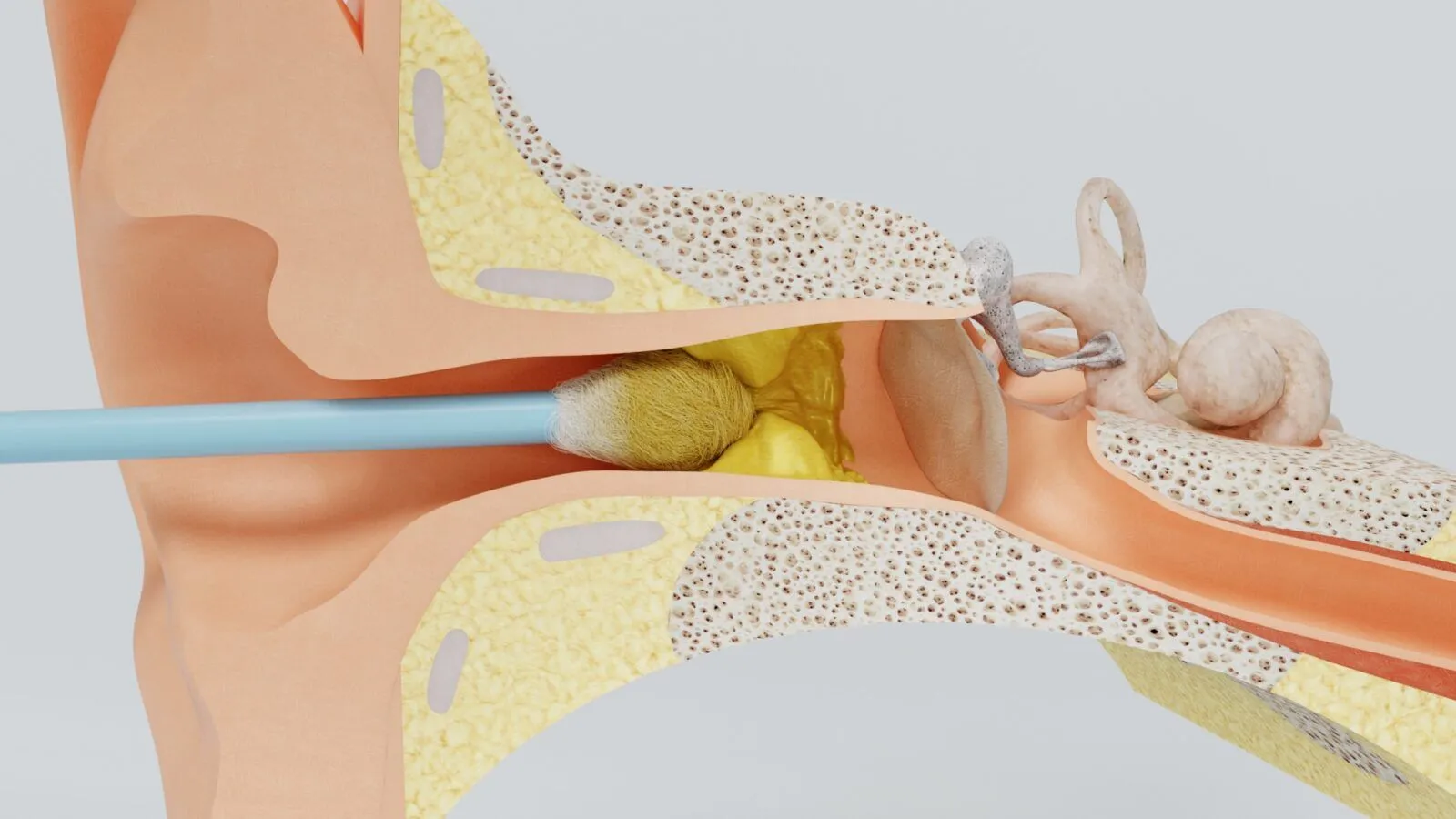
Understanding what counts as normal earwax and what signals a problem can stop unnecessary worry, reduce unsafe cleaning habits, and guide you toward timely medical help. Earwax is one of those small body details that causes big questions. Some people feel embarrassed by it, others are almost obsessed with keeping their ears perfectly clean. You see cotton swabs, metal tools, candles, and home devices advertised everywhere. It is easy to feel that any bit of wax must be dirty or dangerous. According to our editor’s research, this belief is far from reality. A certain amount of wax is not only normal, it is actually protective. The real skill lies in knowing when to leave things alone and when to ask a professional for help.
Why our ears make wax
Let us start with the basics, because understanding the purpose changes everything. Earwax, also called cerumen, is produced by special glands in the skin of the ear canal. It mixes with tiny bits of skin, hair, and natural oils as it forms. This mixture creates a soft, sticky barrier that traps dust, bacteria, and small particles. It also helps keep the delicate skin of the ear canal from drying out and cracking. According to our editor’s research, many ear, nose, and throat specialists describe wax as a built in cleaning system. As you chew and move your jaw, old wax slowly moves outward and eventually falls away. In other words, healthy ears quietly clean themselves over time.
What is considered normal earwax?
Normal earwax does not have a single look or texture. It can be soft and light, or darker and slightly firmer, depending on your genetics and environment. Some people naturally produce more, others produce less, and both patterns can be healthy. A mild, slightly earthy smell is common and not usually a reason to worry. The colour may change from light yellow to dark brown as it ages and dries. As a result of our editor’s reviews, most professional sources agree that appearance alone rarely signals trouble. What matters more is whether wax is blocking hearing or causing uncomfortable symptoms. If you have no pain, good hearing, and no discharge, your wax is probably behaving normally.
Everyday signs that wax is behaving normally
There are several quiet clues that your ears are doing their job well. You might notice a small amount of wax on earplugs or at the outer edge of the canal. That usually means the self cleaning process is working correctly. Your hearing feels stable, without sudden muffling or strong echo sensations. The skin around your ears is not itchy, cracked, or constantly irritated. You do not notice fluid, blood, or a strong foul odour from either ear. According to our editor’s research, people with healthy wax often forget about it completely. Their ears simply exist in the background of daily life, doing their quiet housekeeping work.
When earwax buildup becomes a problem
Trouble starts when wax accumulates faster than it can move out naturally. This can happen because of narrow ear canals, very hard wax, or frequent use of earplugs or hearing aids. Cotton swabs push wax deeper instead of removing it, creating a firm plug over time. Some people also produce unusually sticky or dry wax that does not move well. When a plug forms, sound cannot travel properly, and symptoms develop. As a result of our editor’s reviews, busy clinics often see this after colds, travel, or long headphone use. The good news is that most wax blockages are simple for professionals to manage once identified.
Red flag symptoms you should not ignore
It is important to know which symptoms suggest more than simple buildup. Sudden or fast worsening hearing loss in one or both ears deserves urgent attention. Strong pain, especially deep inside the ear, is another warning sign. Fluid, pus, or blood from the ear canal should never be dismissed as normal wax. Persistent dizziness, spinning sensations, or severe imbalance can signal deeper inner ear problems. A high fever, intense pain, or swelling around the ear may indicate infection. According to our editor’s research, national health services regularly highlight these as reasons to seek prompt care. Do not assume every blocked feeling is just wax, especially when other strong symptoms appear.
Common myths about cleaning earwax
Earwax inspires many creative cleaning methods, some of them genuinely risky. One widespread myth is that ears must be regularly cleared with cotton swabs. In reality, swabs often push wax deeper and can scratch delicate skin. Another myth is that ear candles safely draw out wax using heat and vacuum. Controlled studies have shown that these candles do not remove wax and can cause burns or blockages. Some people also believe that clear ears must look like smooth tunnels with no wax at all. According to our editor’s research, ear specialists strongly disagree with this cosmetic expectation. A small amount of visible wax near the opening is usually harmless and protective.
Safe, simple approaches to routine ear care
For most people, the safest routine care is surprisingly minimal. Cleaning the outer ear with a soft cloth during bathing is usually enough. Avoid inserting objects into the canal, including cotton swabs, hairpins, or metal tools. If you are prone to mild buildup, a doctor may suggest gentle softening drops. These drops help wax move naturally rather than forcing it out quickly. Some patients benefit from spacing out earphone use and allowing ears more open air time. According to our editor’s research, major public health campaigns now emphasise the phrase “nothing smaller than your elbow” for canals. The idea is simple, if it fits inside, it probably should not go there.
When home care is not a good idea
There are several situations where home wax care can do more harm than good. If you have a history of eardrum perforation, tube placement, or middle ear surgery, avoid home irrigation. People with weakened immune systems or diabetes should be especially cautious about introducing moisture into the canal. Ongoing ear infections, pain, or discharge are also clear reasons to skip home methods. In these cases, professional evaluation helps avoid complications like worsening infection or skin damage. As a result of our editor’s reviews, many ENT guidelines advise medical supervision for higher risk groups. When in doubt, it is safer to ask a doctor than to experiment with tools or strong liquids.
How do doctors usually assess earwax?
A clinical visit for suspected earwax buildup is usually straightforward. The clinician will ask about your symptoms, previous ear problems, and any recent infections. They will then look into the canal with a lighted instrument to check the eardrum and wax. This exam shows whether a plug is present and how hard or deep it is. Hearing tests may be used when the blockage seems significant or long standing. According to our editor’s research, many primary care doctors manage simple wax, while complex cases go to ENT specialists. The key advantage in a clinic is direct visual control, which home methods do not provide.
What professional earwax removal might involve
When removal is needed, doctors have several options depending on the situation. Some use small instruments under direct vision to gently lift wax out in pieces. Others use controlled suction devices to remove softened wax through a narrow tube. In selected cases, warm water irrigation may be used with proper equipment and training. The choice depends on wax texture, ear anatomy, and any underlying conditions. As a result of our editor’s reviews, professional societies emphasise training and safety protocols for these methods. Patients often feel quick relief once the plug is removed, though brief dizziness can occur. Follow up advice usually focuses on preventing future buildup without aggressive home cleaning.
Special situations in children and older adults
Children and older adults often need extra care around earwax. In children, small canals and movement during examination can make removal more challenging. Paediatric services frequently prefer gentle methods and sometimes schedule repeat visits rather than forceful attempts. Older adults may have hearing aids, narrow canals, or drier wax that blocks more easily. Wax plugs can worsen existing hearing loss and affect communication or balance. According to our editor’s research, some community programs screen hearing in older groups and check wax at the same time. For both children and seniors, calm explanations and patience make the process less frightening. That supportive approach reduces resistance to future necessary checks.
How allergies, skin conditions, and environment play a role
Earwax does not exist in isolation from the rest of your health. Skin conditions like eczema or psoriasis can affect the ear canal and change wax texture. People with allergies may scratch or rub their ears more, irritating the skin and disrupting normal cleaning. Very dusty or dry environments can also influence how wax forms and dries. Swimming habits, especially in unchlorinated water, may bring moisture and debris into the canal. As a result of our editor’s reviews, many ENT specialists ask detailed lifestyle questions during assessment. Understanding these factors helps them suggest tailored, realistic care rather than one size fits all advice.
Balancing cleanliness with natural protection
A central message in earwax education is balance. You want ears that function well, without constant itching, blockage, or infection. You also want to preserve the natural defence system the body has built. Over cleaning strips away protective wax and can invite irritation and infection. Under cleaning is usually less common, except where plugs clearly form and block hearing. According to our editor’s research, people feel calmer when they understand this balance. They realise that perfect visual cleanliness is not a medical goal, comfort and function are. That shift in mindset reduces the urge to constantly “fix” ears that are already healthy.
Practical questions to discuss with your doctor
If you are unsure about your own earwax situation, a few questions can guide discussion. You might ask whether your current amount and texture seem normal for your age and health. You can ask if any of your habits, like headphone use or swimming, affect buildup. It is also useful to ask how often, if ever, your ears should be professionally checked. According to our editor’s research, patients who ask targeted questions remember advice more clearly. They also feel more confident ignoring aggressive marketing for home devices that promise miraculous cleaning. A short, focused conversation can save years of unnecessary worry and risky self treatment.