
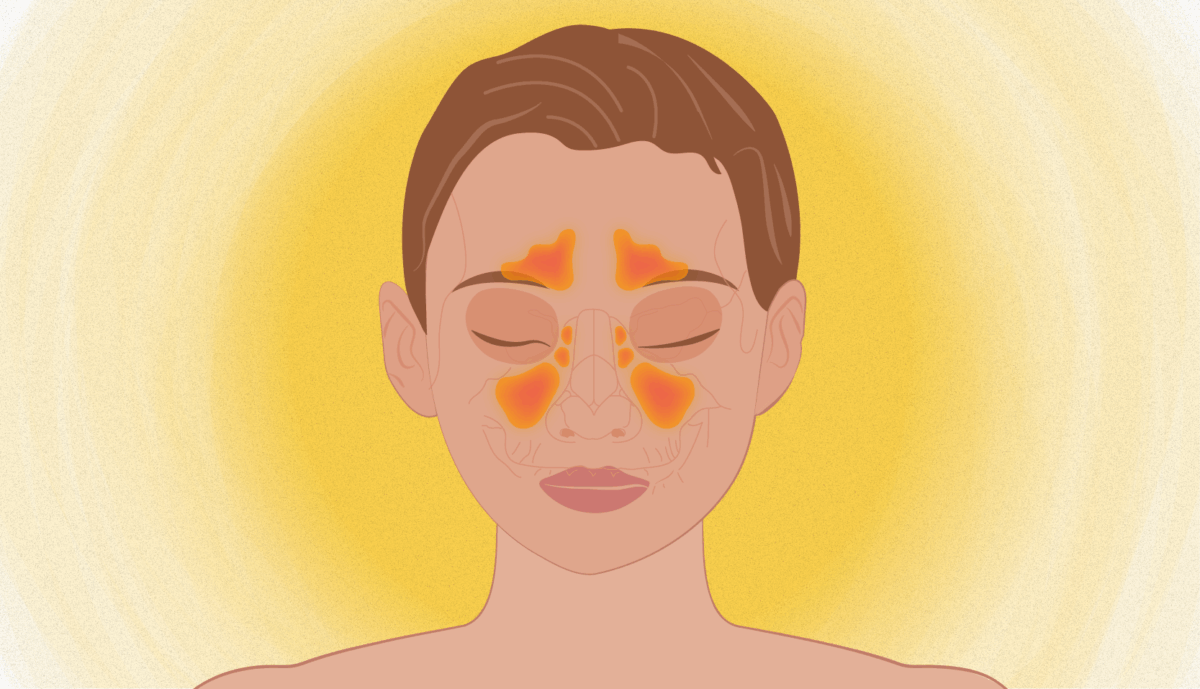
Many people wonder why their head throbs during sinus pressure changes because the sensations often overlap, creating confusion that leads many individuals to misread symptoms and seek clarity.
Why Do People Confuse Headaches And Sinus Issues?
Many people confuse headaches and sinus issues because their symptoms often feel similar. This overlap becomes clearer when you pay attention to small details. According to our editor’s research, many patients describe a heavy feeling around the eyes during sinus pressure. Some also mention a dull ache across the forehead. These sensations mimic tension headaches, making the distinction harder. Some individuals assume every forehead ache relates to sinus congestion. Others misinterpret pressure changes during weather shifts. Many people only discover the real cause after tracking patterns. The confusion increases when fatigue or mild dehydration develops alongside sinus pressure. These combined sensations create the classic misunderstanding many people experience.
How Does Sinus Pressure Trigger Headache Symptoms?
Sinus pressure triggers headache symptoms when swollen passages restrict airflow. This restriction increases internal pressure near sensitive nerves. As a result of our editor’s reviews, this pressure often spreads across the forehead. Some patients feel it around the nose or cheekbones. Many describe an ache behind the eyes. Others feel discomfort when bending forward. These movements intensify pressure changes. The swelling leads to reduced drainage. Reduced drainage causes fluid buildup that creates throbbing sensations. Many individuals say this cycle feels predictable during seasonal changes. Others notice increased symptoms after exposure to irritants. Understanding this pattern helps distinguish sinus headaches from tension headaches.
Where Do Sinus Headaches Usually Occur?
Sinus headaches usually occur around the face. Most people feel discomfort around the forehead. Some notice pressure under the eyes. Others describe sensations around the nose. According to our editor’s research, many people misplace these feelings because pain can radiate. Some individuals feel pain near the temples. Others notice pressure spreading to the jaw. The facial bones conduct pressure efficiently. This conduction makes identification harder. Many patients only understand this pattern after proper evaluation. Once recognized, the distribution of pressure becomes easier to trace. This clarity reduces confusion with other headache types.
What Symptoms Suggest A Sinus Related Headache?
Certain symptoms suggest a sinus related headache more clearly. Many individuals describe a feeling of fullness around the face. Some notice increased discomfort when leaning forward. Others experience nasal congestion during episodes. According to our editor’s reviews, thick nasal discharge often accompanies these symptoms. Some individuals feel ear pressure because connected passages share drainage pathways. Many people also report mild fever during sinus infections. Facial tenderness becomes noticeable during touch. These signs help differentiate sinus discomfort from migraines. Many patients learn this distinction through repeated observations over time.
How Do Migraines Get Mistaken For Sinus Headaches?
Migraines get mistaken for sinus headaches due to overlapping pressure sensations. Many people feel facial tension during migraine episodes. Some experience nasal congestion triggered by nervous system responses. As a result of our editor’s research, migraines often cause watery eyes as well. These symptoms imitate sinus issues. Some individuals feel the ache behind the eyes. Others notice sensitivity to light and sound. These sensitivities rarely occur with true sinus headaches. Migraines also produce pulsating sensations. Many patients only discover the migraine connection after discussing patterns with clinicians. Misdiagnosis occurs frequently because facial pain creates misleading clues.
Why Do Weather Changes Affect Both Conditions?
Weather changes affect both conditions due to atmospheric pressure shifts. Many people feel increased discomfort before storms. Some describe feeling pressure around the forehead. Others experience sinus congestion due to humidity changes. According to our editor’s reviews, barometric drops affect blood vessels. These changes trigger headaches in sensitive individuals. Sinus passages also react to moisture patterns. Some people feel congestion when cold air meets warm indoor temperatures. These environmental triggers amplify both symptoms. Understanding this link helps individuals prepare ahead. Many people reduce discomfort by staying hydrated. Others manage triggers through indoor humidity adjustments.
How Does Inflammation Deepen The Connection?
Inflammation deepens the connection by influencing nerves and pressure systems. Many sinus issues begin with swelling caused by irritants. Some irritants include dust or pollen. Others arise from viral infections. Swelling narrows drainage pathways. This narrowing increases internal pressure. According to our editor’s research, irritated nerves heighten pain signals. This dual effect creates stronger headaches. Some individuals experience chronic inflammation. Others deal with short episodes related to seasonal exposure. When inflammation persists, headaches become more frequent. Many patients report improvement after reducing irritant exposure. This improvement supports the connection between inflammation and pain.
What Role Does Sleep Play In Sinus And Headache Symptoms?
Sleep plays a significant role in managing symptoms. Many individuals feel worse after poor sleep. Some people experience increased facial tension. Others struggle with breathing difficulties overnight. According to our editor’s reviews, lying flat can worsen sinus drainage. This posture increases pressure buildup. Many individuals notice improved comfort after elevating their head slightly. Fatigue also intensifies headache sensitivity. Poor sleep reduces resilience to daily triggers. Good rest supports immune function. Improved immunity helps manage sinus inflammation. Many patients notice fewer episodes after adjusting sleep habits.
How Do Seasonal Allergies Influence Both Conditions?
Seasonal allergies influence both conditions by increasing inflammation. Many people experience nasal congestion during pollen seasons. Some also develop watery eyes. Others feel fatigue when exposure increases. According to our editor’s research, allergy related swelling restricts sinus drainage. This restriction encourages pressure buildup. Increased pressure triggers headaches in sensitive individuals. Many people misinterpret allergy headaches as sinus infections. Some seek unnecessary treatments due to this confusion. Tracking symptoms during specific seasons helps identify allergy patterns. This awareness allows individuals to manage triggers more effectively.
What Strategies Help Reduce Sinus Related Headache Discomfort?
Several strategies help reduce discomfort. Many individuals begin with hydration. Some also use warm compresses. Others improve air quality indoors. According to our editor’s reviews, consistent routines produce better outcomes. Many people find relief through nasal cleansing. Some adjust sleeping positions. Others monitor daily triggers. Small lifestyle changes reduce inflammation. These changes decrease headache frequency. Many individuals discover personalized routines through trial and error. Consistency encourages gradual improvement. Tracking what works often yields better long-term results.
Can Stress Intensify Both Symptoms And Why?
Stress intensifies symptoms by increasing muscle tension. Many individuals clench their jaw during stressful moments. Some tighten neck muscles without noticing. This tension spreads to facial areas. According to our editor’s research, stress also affects immune responses. Weakened defenses lead to increased inflammation. Inflammation encourages sinus swelling. Swelling increases pressure buildup. Many patients notice stronger headaches during stressful periods. Managing stress improves symptom control. Some people use breathing techniques. Others adopt short relaxation routines. These simple practices often reduce discomfort.
How Do Dietary Habits Influence Headaches And Sinuses?
Dietary habits influence symptoms through fluid balance and inflammation. Many individuals experience headaches after dehydration. Some develop sinus dryness due to insufficient fluids. Others react to specific food triggers. According to our editor’s reviews, salty foods increase water retention. This retention affects pressure balance. Some people also react to strong spices. These reactions irritate sensitive passages. Balanced eating habits support overall comfort. Many people notice improvements after tracking their meals. Identifying patterns helps reduce unnecessary triggers.
What Should You Monitor At Home For Clarity?
Monitoring symptoms at home provides useful clarity. Many individuals track headache locations. Some record sinus congestion patterns. Others note environmental conditions. According to our editor’s research, consistent tracking reveals hidden triggers. Many people recognize weather influences. Some identify food sensitivities. Others understand sleep patterns better. Home monitoring helps distinguish between migraine and sinus discomfort. This distinction leads to better decision making. Many testimonials show improved management after creating simple logs.
Maintaining A Clear Perspective
Understanding the connection between headaches and sinuses requires patience with your symptoms. Many individuals discover patterns only after careful observation. According to our editor’s reviews, consistent routines support long-term comfort. Many people reduce symptoms through simple daily habits. Others learn their triggers by monitoring environmental changes. The connection becomes clearer with practice and awareness. For more detailed information, you may wish to visit the websites of official institutions and organizations.